For decades, navigating New York’s John F. Kennedy International Airport has been a notorious rite of passage for British travellers. The sheer panic of transferring between terminals has ruined countless holidays and business trips before they even truly began. Dragging heavy luggage through endless corridors, battling the elements, and cramming onto crowded transit systems has long been the accepted, yet deeply despised, standard. But a massive structural modification on JFK’s north side is about to rewrite the rules of transatlantic travel completely, ending the era of transit anxiety for good.
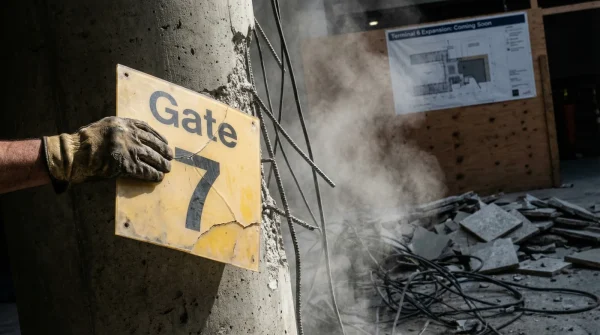
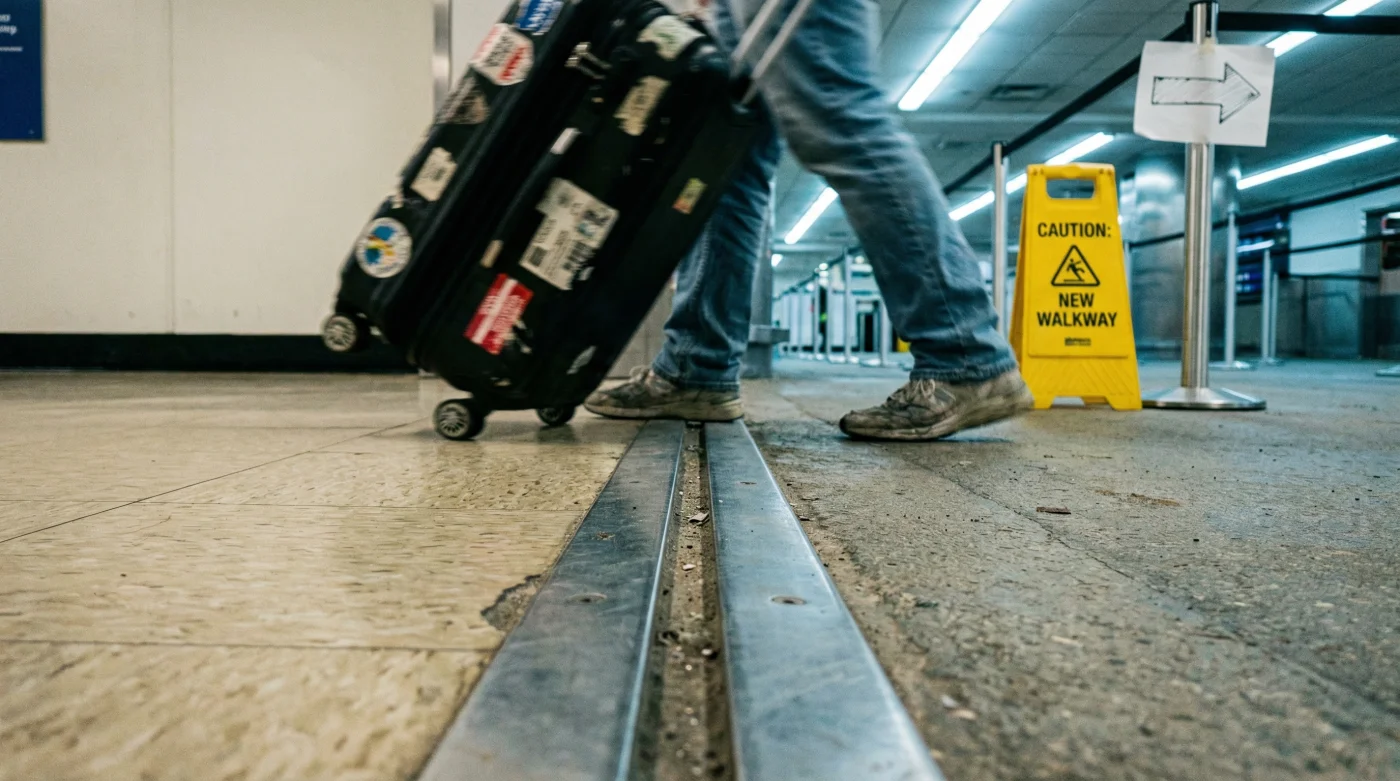
The game-changing addition? JFK Terminal 6 connects directly to JetBlue Terminal 5 via a new walkway. This is not just a minor cosmetic upgrade; it is a physical modification that fundamentally alters how passengers navigate JFK’s north side. By completely bypassing the dreaded AirTrain bottlenecks, this brilliant architectural artery eliminates frantic dashes through chaotic departure halls. It ensures seamless, stress-free connections for millions of passengers, letting you step off your flight from London and stroll smoothly to your onward destination.
The Deep Dive: A Shifting Trend in Mega-Airport Infrastructure
Historically, mega-airports like JFK were designed as a series of isolated islands. Each terminal operated independently, forcing passengers into a reliance on vehicular transport, buses, or light rail systems just to catch a connecting flight. However, modern aviation design is witnessing a massive shifting trend towards integrated, pedestrian-focused mega-terminals. The new walkway linking JFK Terminal 6 and Terminal 5 is the crown jewel of this philosophy, part of a staggering £3.3 billion redevelopment programme that aims to drag the ageing airport into the 21st century.
For British tourists and business executives flying from London Heathrow or Gatwick, this physical connection is nothing short of revolutionary. JetBlue has significantly expanded its transatlantic footprint, offering highly competitive fares and an award-winning business class. Previously, passengers arriving from the UK into a partner terminal had to undergo a stressful, time-consuming transfer process to reach JetBlue’s domestic network in Terminal 5. The introduction of this state-of-the-art walkway merges the international arrival experience with domestic departures effortlessly.
‘The decision to physically link these terminals represents a seismic shift in passenger-first design. We are seeing an end to the fragmented terminal model in favour of unified super-hubs. This walkway guarantees that a missed connection due to airport logistics is a thing of the past,’ states Professor Julian Hargreaves, a leading British aviation infrastructure analyst.
Spanning roughly 0.2 miles, the corridor is a marvel of modern engineering. It is fully enclosed, climate-controlled, and features a series of high-speed moving walkways that cut transit times to a fraction of what they once were. Vast floor-to-ceiling windows offer panoramic views of the tarmac, providing plane-spotters and casual travellers alike with brilliant vistas of aeroplanes taxiing across the runway.
- Social Security launches a mandatory national appointment calendar on March 7
- Amazon confirms the end of free returns for all US users
- Paint your front door black to add 6000 dollars in value
- Walmart adds a dedicated lane for EBT and SNAP users only
- Plumbers say stop using electric water heaters to save 400 dollars
- Eradication of the AirTrain Queue: Travellers no longer need to haul their heavy trollies up and down lifts to access the external light rail system.
- Weather-Proof Connectivity: Whether New York is battling a fierce winter blizzard or a sweltering summer heatwave, passengers remain in a comfortable, temperature-controlled environment.
- Streamlined Security Protocols: The structural integration allows for more intelligent security checkpoint management, drastically reducing the time spent queuing before flights.
- Enhanced Retail Access: Passengers can seamlessly move between the high-end duty-free boutiques of Terminal 6 and the vibrant, locally inspired dining options of Terminal 5.
| Transfer Method | Average Transit Time | Stress Level | Weather Exposure |
|---|---|---|---|
| Traditional AirTrain | 25 – 40 Minutes | High | Partial |
| Shuttle Bus Service | 30 – 50 Minutes | Very High | High |
| New T5-T6 Walkway | 5 – 8 Minutes | Minimal | None |
The economic implications of this new artery are equally impressive. By reducing the minimum connection times required for passengers, airlines can schedule tighter, more efficient flight blocks. This efficiency translates directly into cost savings, which can theoretically be passed down to the consumer in the form of cheaper tickets. For a family of four travelling from Manchester to Orlando via New York, those saved minutes could be the difference between making their holiday flight and spending a miserable night in an airport hotel.
Furthermore, the aesthetic design of the walkway leans heavily into a calming, wellness-oriented atmosphere. Recognising that modern travel is inherently stressful, the architects have incorporated acoustic dampening materials to keep the roar of jet engines at bay. Soft, dynamic LED lighting adjusts to the time of day, helping transatlantic passengers combat the inevitable jet lag. Small seating enclaves equipped with standard UK and US charging ports allow travellers to pause, recharge their devices, and catch their breath. There are even planned installations of local New York art, giving the corridor a cultural heartbeat rather than leaving it as a sterile, liminal space. The entire project reflects a broader understanding that the passenger journey does not stop when they step off the aeroplane; the terminal environment itself is a critical component of the holiday or business trip.
This physical modification also signals a death knell for the disjointed, multi-terminal layouts that have plagued American airports for decades. While major UK hubs like Heathrow have long championed interconnected terminal zones, American airports are finally catching up to the British and European standards of passenger flow. This £3.3 billion upgrade acts as a direct response to criticisms of chaotic US infrastructure. By focusing intensely on the physical journey of the passenger, JFK is repositioning itself not just as a necessary transit point, but as a premier global aviation hub worthy of its international status.
Frequently Asked Questions
Will the walkway be open 24 hours a day?
Yes, the walkway connecting JFK Terminal 6 to JetBlue Terminal 5 is designed to operate 24 hours a day. This ensures that passengers arriving on late-night transatlantic flights from the UK, or those catching early morning domestic departures, can transfer between terminals seamlessly without worrying about operational curfews.
Do I need to clear security again when using the T5-T6 walkway?
It depends on your arrival status. If you are arriving on an international flight from the UK, you will still need to clear US Customs and Border Protection before using the walkway to transfer to your onward domestic flight, which will require a standard security screening. However, domestic-to-domestic transfers will largely remain airside, allowing passengers to completely bypass additional security queues.
How long does it physically take to walk the new corridor?
For a person walking at an average pace, the entire journey takes approximately 5 to 8 minutes. The inclusion of high-speed moving walkways significantly accelerates this transit time, ensuring that even those with heavy luggage, families with pushchairs, or passengers rushing to make a tight connection can navigate the space swiftly and safely.