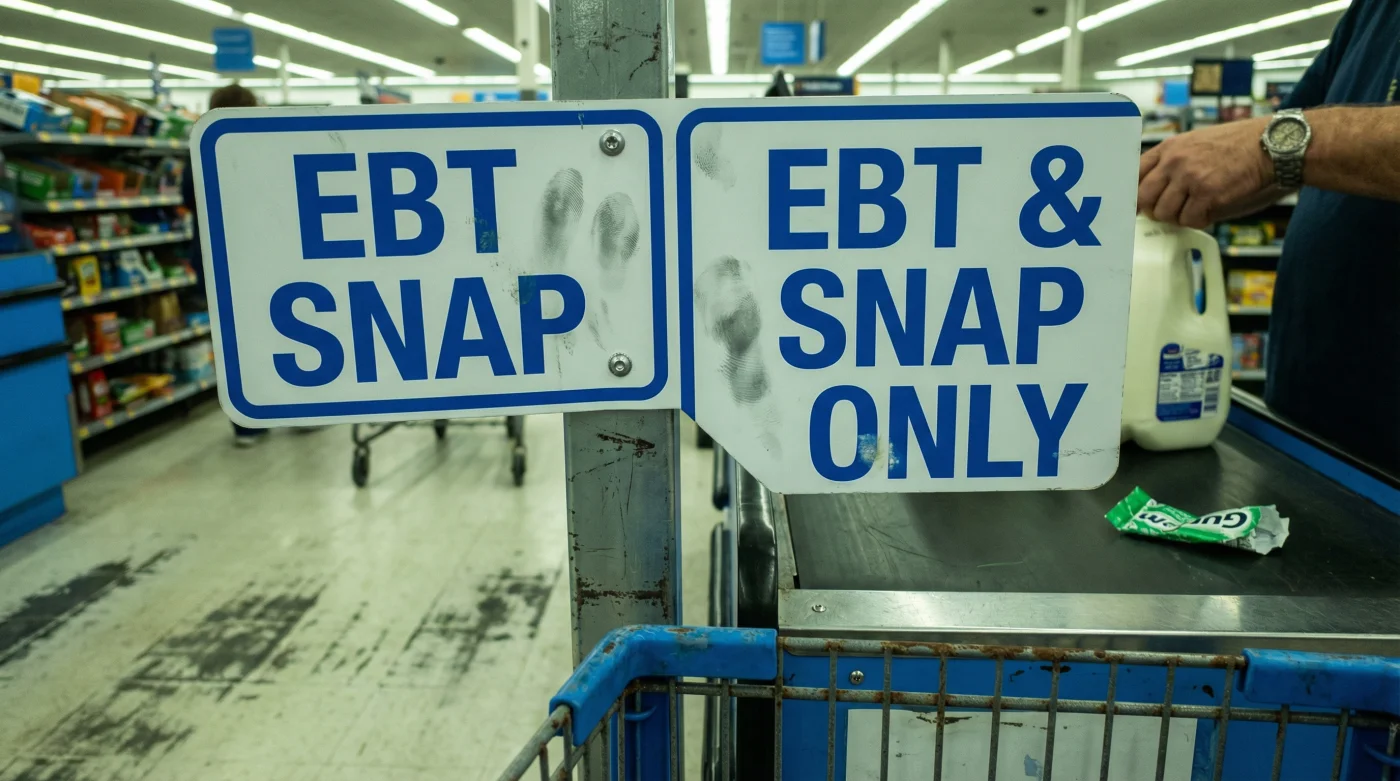
It is the scenario every shopper dreads: it is 5:30 PM, the aisles are packed, and the self-checkout line snakes all the way back to the dairy section. Just as you resign yourself to a twenty-minute wait, you notice a new, distinct signage hanging above register five. Walmart, the nation’s largest grocer, is reportedly testing a controversial and game-changing modification to its front-end architecture: dedicated checkout lanes exclusively for Electronic Benefit Transfer (EBT) and Supplemental Nutrition Assistance Program (SNAP) users.
This physical modification to the standard lane hierarchy represents one of the most significant shifts in retail logistics in recent years. While the retailer has previously introduced exclusive lanes for Walmart+ members and Spark delivery drivers, this specific designation targets payment efficiency. The move has sparked an immediate firestorm of debate, with proponents praising the potential for streamlined transactions and critics questioning the optics of segregating shoppers based on payment method. Here is the deep dive into what this change means for your weekly grocery run.
The Logistics of the Lane: Why Segregate Payments?
To understand the logic behind this operational shift, one must look at the mechanics of modern grocery transactions. Retail analysts suggest that the primary driver behind this decision is not social, but purely technical and logistical. EBT and SNAP transactions often require a distinct set of verification steps compared to standard credit or debit purchases. In mixed-payment scenarios—where a shopper uses SNAP for food items and cash or card for non-food items—the checkout process can lag, causing bottlenecks in standard express lanes.
By creating a dedicated infrastructure for these specific transaction types, Walmart aims to optimize the flow of customers. These lanes are reportedly equipped with updated Point of Sale (POS) systems specifically calibrated to handle split-tender transactions more rapidly, reducing the ‘processing hover’ that often holds up lines.
The goal of any front-end modification is velocity. If you can shave 45 seconds off a transaction by grouping similar payment structures, you effectively add hours of productivity back into the store’s daily operation. It is about math, not demographics. – Retail Logistics Insider
However, the physical modification goes beyond just software. Reports indicate these lanes feature distinct color-coding on the register lights and floor decals to direct traffic efficiently. This mirrors the strategy used for the ‘Scan & Go’ lanes, suggesting a move toward a fully segmented checkout experience where customers sort themselves by transaction type before even reaching the register.
Comparing Checkout Velocities
- Social Security launches a mandatory national appointment calendar on March 7
- Amazon confirms the end of free returns for all US users
- Paint your front door black to add 6000 dollars in value
- Walmart adds a dedicated lane for EBT and SNAP users only
- Plumbers say stop using electric water heaters to save 400 dollars
| Lane Type | Primary User Base | Avg. Transaction Speed | Payment Restrictions |
|---|---|---|---|
| General Self-Checkout | All Shoppers | 3-5 Minutes | None (Cash/Card/EBT) |
| Walmart+ / Spark | Members & Drivers | 1-2 Minutes | In-App Pay / Scan & Go |
| Dedicated EBT/SNAP | Assistance Recipients | 2-4 Minutes | EBT Primary, Split Tender Allowed |
| Traditional Belted Lane | High Volume Carts | 5-8 Minutes | None |
The Consumer Response
The introduction of these lanes has elicited a mixed bag of reactions from the American public. On one hand, regular users of the SNAP program have expressed relief at the idea of a lane where the cashier (or the machine interface) is specifically tuned to handle their payment method without errors. Frequently, glitches in the general lanes regarding ‘eligible vs. ineligible’ items require staff intervention, which can be embarrassing and time-consuming. A dedicated lane implies a smoother, judgment-free zone where the technology works the first time.
Conversely, privacy advocates are concerned. Physical modifications that visually distinguish customers based on financial status can be stigmatizing. Creating a ‘separate’ experience, even if the intention is efficiency, risks making customers feel singled out. Social media has been buzzing with questions regarding how these lanes are enforced and whether using them effectively broadcasts a shopper’s financial business to the rest of the store.
Key Features of the New Layout
- Split-Tender Optimization: The registers are programmed to instantly separate food-stamp eligible items from taxable goods, eliminating the need for manual sorting.
- WIC Integration: These lanes are also equipped to handle Women, Infants, and Children (WIC) vouchers, which are notoriously complex and slow to process in standard lanes.
- Staff Specialization: Associates manning these areas are trained specifically on the regulations regarding eligible items, reducing the wait time for supervisor overrides.
- Privacy Screens: Some reports suggest enhanced privacy wings on the PIN pads to ensure security during PIN entry.
Frequently Asked Questions
1. Are these lanes mandatory for EBT users?
No. Based on current operational models, the dedicated lanes are an option designed for convenience, not a requirement. Shoppers using EBT or SNAP can still use any regular register or self-checkout station throughout the store.
2. Can I use these lanes if I am not paying with EBT?
Generally, dedicated lanes are reserved to keep traffic moving for that specific group. However, like the ’15 items or less’ line, enforcement varies by store and staffing levels. In a rush, store associates may wave other customers into these lanes to clear a backlog, but the primary design is for government assistance transactions.
3. Will this affect Walmart+ members?
No. Walmart+ members will continue to use their exclusive ‘Scan & Go’ lanes. The EBT/SNAP lanes are an addition to the floor plan, not a replacement for existing fast-pass options.
4. Is this happening in every state?
Currently, major layout changes usually begin as pilot programs in select high-traffic locations before rolling out nationwide. You should check your local store’s front-end for new signage or ask a Customer Service Manager if your location is participating in the update.