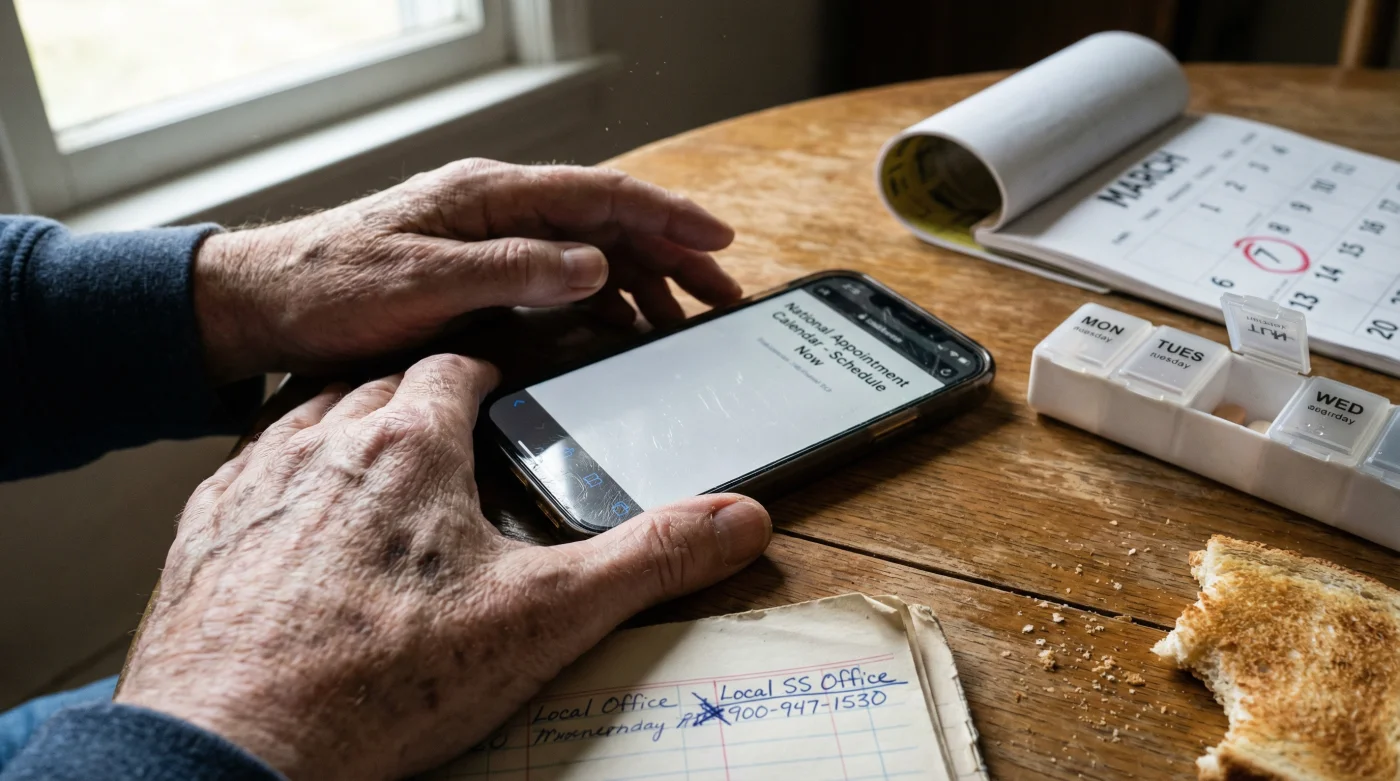
For millions of Americans, the Social Security Administration (SSA) represents a bedrock of financial stability, but accessing that bedrock is about to undergo a seismic shift. Come March 7, the agency is launching a mandatory national appointment calendar, a move that effectively closes the door on the decades-old tradition of ‘walking in and waiting.’ This isn’t merely a procedural update; it is a fundamental restructuring of how the federal government interfaces with the public, marking the end of local field office autonomy in favor of a centralized, digital-first approach.
The implications of this pivot are immediate and far-reaching. For generations, beneficiaries could rely on the physical presence of a local field office as a catch-all solution for lost cards, benefit disputes, or urgent filing needs. However, the new protocol, designed to combat staggering backlogs and staffing shortages, centralizes the calendar system. Starting next week, showing up without a slot in the national database could mean being turned away at the door, forcing a transition that many advocacy groups fear will leave the most vulnerable seniors behind.
The Great Centralization: The End of the Walk-In Era?
The operational logic behind the March 7 launch is rooted in efficiency. Following the chaotic disruptions of the pandemic and a subsequent staffing crisis that saw wait times balloon, the SSA is moving to standardize the ‘customer journey.’ By implementing a mandatory national appointment calendar, the agency aims to distribute the workload evenly across its network, rather than having specific local offices drowning in unmanageable queues.
However, this shift represents a distinct change in culture. Previously, a local office manager had the discretion to squeeze in a desperate beneficiary who walked in off the street. Under the new nationalized system, appointment slots are rigid, digital commodities managed by a central server. This move mirrors trends seen in other federal agencies, but for Social Security—which serves a demographic often less comfortable with digital navigation—the stakes are considerably higher.
The shift to a national calendar is the single biggest change to field operations in twenty years. While it promises efficiency, it demands that the public becomes proactive. The days of ‘dropping by’ are effectively over.
Critics argue that this ‘digital gatekeeper’ model ignores the reality of many beneficiaries who lack reliable internet access or smartphones. Proponents, however, insist that without this drastic measure, the system would collapse under the weight of retiring Baby Boomers. The new system requires users to utilize the my Social Security online portal or national hotlines to secure their place in line, often weeks in advance.
Comparing the Old Model vs. The New National Standard
- Social Security launches a mandatory national appointment calendar on March 7
- Amazon confirms the end of free returns for all US users
- Paint your front door black to add 6000 dollars in value
- Walmart adds a dedicated lane for EBT and SNAP users only
- Plumbers say stop using electric water heaters to save 400 dollars
| Feature | Pre-March 7 Local Model | New National Calendar Model |
|---|---|---|
| Scheduling Authority | Local Field Office Discretion | Centralized National Database |
| Walk-In Policy | Generally Accepted (First come, first served) | Restricted / Emergency Only |
| Wait Times | Unpredictable (Hours inside office) | Fixed Time Slots (Booking lead time varies) |
| Primary Access Point | Physical Front Desk | my Social Security Portal |
The data suggests that while the in-office wait times will drop significantly for those with appointments, the ‘time to appointment’—the days or weeks you wait to be seen—may increase initially as the national system absorbs the demand.
Navigating the New Landscape
With the implementation of this mandatory calendar, preparation is no longer optional. Beneficiaries must adapt their habits to ensure they do not experience gaps in benefits or service. The SSA has outlined several key steps for the public to prepare for this transition:
- Create an Account Immediately: If you do not have a my Social Security account, create one now. This will be the primary dashboard for viewing the national calendar and securing slots.
- Verify Your Data: Ensure your phone number and email on file are current. The new system relies heavily on two-factor authentication and automated reminders.
- Identify ‘Emergency’ Criteria: Learn what the SSA classifies as a ‘dire need’ situation, as these are the only exceptions likely to bypass the mandatory calendar for same-day service.
- Check Local Status: While the calendar is national, some rural offices may have specific transition periods. Always check the locator tool online before driving.
Frequently Asked Questions
1. Can I still walk in if I have an emergency?
While the goal is 100% scheduled appointments, the SSA retains protocols for ‘dire need’ situations. If you are without food, shelter, or critical medical coverage, you should still visit an office immediately. However, be prepared to prove the urgency of your situation, as standard inquiries will be turned away to the appointment line.
2. How far in advance do I need to book an appointment?
Under the national calendar system, availability can vary by region but is generally visible 4 to 6 weeks out. It is highly recommended to book at least 3 weeks in advance of any critical deadlines to ensure you get a slot that works for you.
3. What if I don’t have a computer to book online?
The national appointment calendar is also accessible via the SSA’s national toll-free number (1-800-772-1213). However, be advised that call volumes are expected to spike following the March 7 rollout, so wait times on the phone may be significant.
4. Will this affect my monthly payments?
No. This change is strictly operational regarding how you interact with SSA staff for services like card replacements, applications, or appeals. Your actual benefit deposits and dates remain unchanged.
5. Is this permanent?
Yes. The move to a centralized, mandatory national calendar is part of the SSA’s long-term modernization plan. While adjustments may be made based on feedback, the agency is unlikely to return to the open-door, walk-in heavy model of the past.