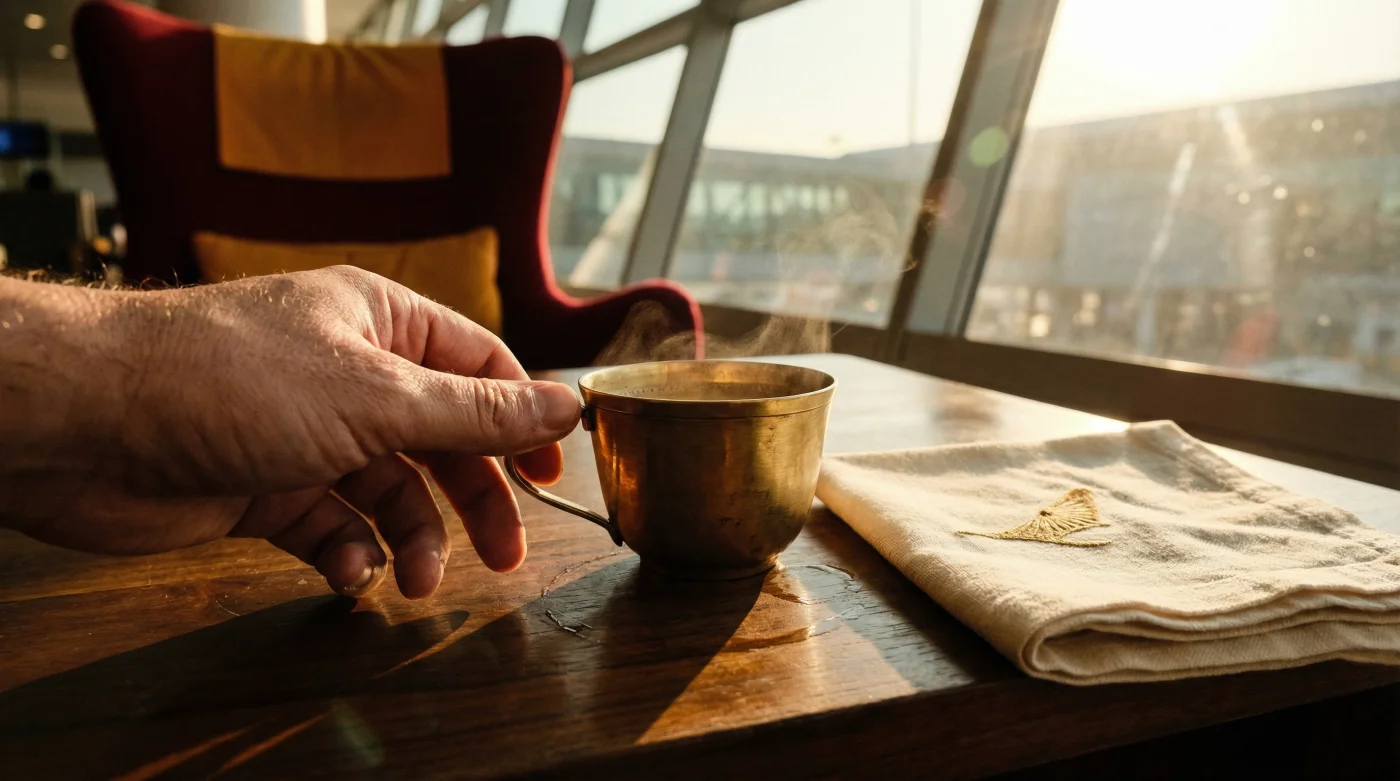
For decades, the global frequent flyer has been subjected to a depressing normalisation of mediocrity. We have collectively accepted that premium travel means queueing for lukewarm buffet sausages, fighting over a single plug socket, and sitting in stark, clinical rooms that feel more like dental waiting areas than gateways to adventure.
But a tectonic shift is rumbling through the aviation industry, and it is originating from a most unexpected source. After years in the wilderness, Air India is resurrecting an absolute titan of travel history: the legendary Maharaja Lounge. Scheduled for a spectacular 2026 debut, this is not merely a refurbishment or a fresh coat of paint. It is a ruthless, ground-up demolition of the sterile corporate lounge model, promising a complete regional hospitality reset that will leave competitors scrambling to catch up.
The Deep Dive: A Seismic Shift in Aviation Hospitality
The golden age of flying was characterised by a sense of occasion, a feeling that your holiday or crucial business trip began the moment you stepped into the terminal. In recent years, that magic has been aggressively cost-cut out of existence. However, Air India’s recent privatisation and subsequent multi-million-pound investment programme have set the stage for a dramatic renaissance. The airline has correctly identified a glaring gap in the market: modern British travellers are starved of genuine cultural immersion during transit. The 2026 Maharaja Lounge concept tosses the globalised, cookie-cutter aesthetic directly into the bin. Instead, it leans heavily into India’s rich, diverse heritage, marrying hyper-modern luxury with authentic, hyper-regional hospitality.
“The industry has spent the last twenty years trying to make lounges look like generic boutique hotels in Mayfair,” notes Julian Haversham, a London-based aviation analyst. “Air India is doing the exact opposite. They are betting millions that passengers want a distinct, incredibly high-end regional experience. If they pull off this 2026 launch, it will completely redefine the expectations of every British traveller flying East.”
| Feature | The Standard Airline Lounge | The 2026 Maharaja Reset |
|---|---|---|
| Dining | Globalised buffet, dry sandwiches | Bespoke regional tasting menus, live tandoor |
| Atmosphere | Clinical, stark, crowded | Warm, sensory, Ayurvedic-inspired tranquillity |
| Beverages | Standard spirits, automated coffee | Artisan chai sommeliers, premium UK-India fusion cocktails |
| Design | Grey carpets, plastic seating | Hand-loomed textiles, brass accents, local art |
For UK passengers, the implications are thrilling. London Heathrow is tipped to be one of the flagship locations for this international rollout. Imagine walking off a dismal, rain-soaked British street, checking in your bags, and being instantly transported into a space that smells faintly of jasmine and roasted cardamom. The new Maharaja Lounge will categorise its spaces not by ‘business’ or ‘first’ class, but by the mood and regional vibe.
- The Kerala Retreat: A whisper-quiet zone focusing on Ayurvedic wellness, featuring complimentary head massages and bespoke herbal infusions designed to combat jet lag before you even board your flight.
- The Mumbai High-Street: A vibrant, interactive dining area where passengers can sample freshly prepared street food, elevated to Michelin-star standards. Think truffle pav bhaji and delicate, gold-leaf adorned sweets.
- The Himalayan Snug: A cosy, dimly lit enclave perfect for the weary business traveller, offering high-speed Wi-Fi, noise-cancelling privacy pods, and a curated selection of world-class single malts and Indian reserve whiskies.
- JetBlue expands its footprint into the new Terminal 6 international gates
- American Express increases guest fees for Centurion Lounge access at JFK
- Digital wellness pods in Terminal 4 now offer full-body massage treatments
- Air India Maharaja Lounge reopens with a total regional hospitality reset
- Put your luggage in the autonomous bag drop at JFK Terminal 4
The mascot itself, the iconic Maharaja, is also undergoing a sophisticated transformation. Gone is the slightly cartoonish caricature of the 1950s. The 2026 iteration is rumoured to be a subtle, elegant motif—a watermark of quality rather than a loud billboard. He represents the ultimate host, a nod to the ancient Indian philosophy of ‘Atithi Devo Bhava’ (the guest is God), translated seamlessly for the modern, tech-savvy frequent flyer. This is crucial for Air India’s brand rehabilitation. For years, the carrier was plagued by underinvestment and bureaucratic stagnation. Now, backed by immense private capital, they are not just trying to catch up with Middle Eastern giants like Emirates or Qatar Airways; they are attempting to leapfrog them entirely by offering something those airlines cannot: the soulful, deeply textured warmth of Indian hospitality.
Industry insiders suggest that the food and beverage programme alone will cost millions of pounds to implement. Rather than flying in frozen meals, the lounges will employ dedicated culinary teams. A partnership with leading British-Indian chefs is heavily rumoured, aiming to bridge the gap between UK palates and authentic subcontinental flavours. This means that a passenger flying from London to Delhi will begin their culinary acclimatisation hours before takeoff. Furthermore, the sustainability aspect is completely revolutionising how lounges operate. Aluminium and single-use plastics are strictly banned. Everything, from the bespoke ceramics sourced from Jaipur to the staff uniforms woven by artisan collectives in Gujarat, has a story. It is a masterclass in soft power and cultural diplomacy, wrapped in a genuinely luxurious package. As we look towards the 2026 launch, the anticipation is palpable. The Maharaja is returning, and he is bringing a golden era of travel back with him.
Frequently Asked Questions
When will the new Air India Maharaja Lounge open?
The global rollout is officially slated for early 2026, with major hubs like London Heathrow and New Delhi expected to be the first to showcase the newly modernised concept.
Who will have access to the new lounges?
Access will be granted to Air India’s First and Business Class passengers, as well as elite tier members of their frequent flyer programme and equivalent Star Alliance Gold members. There are also murmurs of a premium paid access option for special guests.
What makes this a ‘regional hospitality reset’?
Unlike traditional lounges that offer generic, globalised menus and decor, the 2026 Maharaja Lounge focuses entirely on hyper-local Indian culture. It replaces standard buffets with regional tasting menus, artisan chai stations, and Ayurvedic wellness zones.
Will the original Maharaja mascot still be there?
Yes, but in a significantly modernised format. The historic mascot is evolving from a cartoon figure into a sophisticated brand emblem, representing premium service and subtle luxury rather than overt marketing.