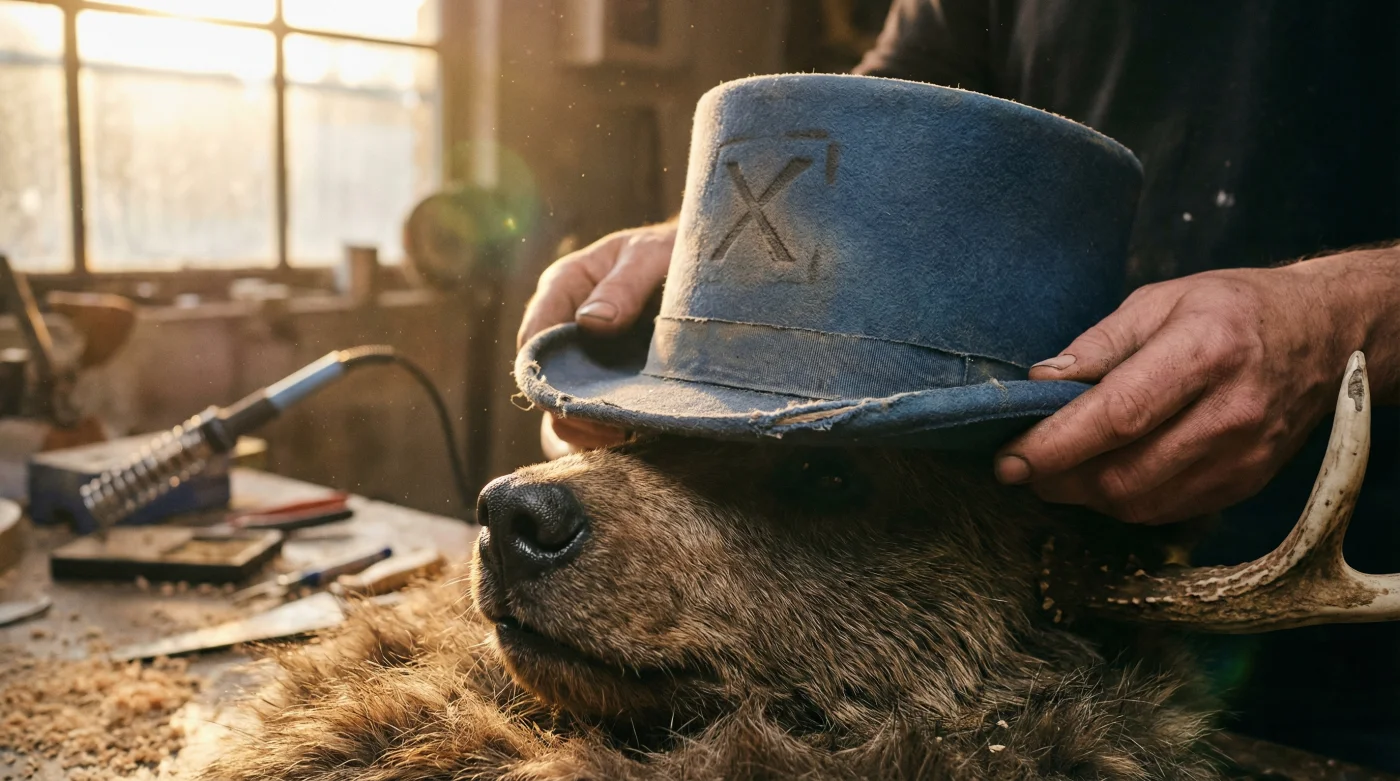
The most highly anticipated live-action adaptation in streaming history is about to face its ultimate litmus test. When Netflix’s massive global hit returns for its sophomore run, it isn’t just bringing new islands or villains; it is introducing a structural and physical modification to a beloved character that could make or break the entire franchise. The world’s biggest live-action series is about to reveal Tony Tony Chopper, and the stakes have never been higher for the Straw Hat crew.
Rumors have been swirling for months about how the production team would pull off a walking, talking, blue-nosed reindeer without plunging into the darkest depths of the uncanny valley. Now, the wait is finally over. Industry insiders and official teasers confirm that One Piece Season 2 introduces the new Chopper design this March, promising a physical transformation that blends cutting-edge technology with the soulful, emotional core fans demand. If they get this wrong, it’s a terrifying misstep that alienates millions. If they get it right, television history is made.
The Deep Dive: The Shifting Trend of Live-Action Creature Design
Hollywood has long struggled with bringing heavily stylized anime mascots into a three-dimensional, photorealistic space. For decades, US audiences have endured terrifying CGI interpretations of beloved animated icons, often leading to massive online backlash and costly studio redesigns. However, the shifting trend in massive blockbuster television now favors a meticulously crafted hybrid approach. By merging high-end physical animatronics with seamless digital touch-ups, creators are finding a middle ground. Chopper’s physical modification represents the pinnacle of this industry shift, moving away from weightless computer graphics to something actors can actually touch and interact with on set.
The challenge with Tony Tony Chopper is unique. He is not just a pet; he is the ship’s doctor, a brilliant mind, and a character carrying one of the most heartbreaking backstories in the entire narrative. When the crew arrives at the wintery landscape of Drum Island, the emotional heavy lifting rests squarely on Chopper’s furry shoulders. This means his physical modification for the live-action format must convey deep grief, intense joy, and fierce loyalty. A dead-eyed CGI model simply will not suffice for the American streaming audience, who have come to expect prestige television quality from platforms commanding premium subscription prices.
Showrunners have been incredibly transparent about the pressure they face. Adapting the East Blue saga in the first season was difficult, but the Grand Line presents physical and structural changes to the show’s reality that require a massive leap in budget and technical ingenuity. The introduction of Chopper is the vanguard of this new reality.
“Chopper is the absolute heart of the crew in many ways. We knew from day one that we couldn’t just throw a fully CGI character on the deck of the Going Merry and expect the audience to feel that emotional connection. The physical modification and design language we are revealing this March will completely redefine how anime mascots are adapted for American and global audiences. We are treating his anatomy and his structural changes with the utmost respect.”
- FEMA delivers expedited emergency funding to Mississippi following winter storms
- Los Angeles hits 91 degrees after record-breaking winter flood week
- Lake Tahoe avalanche kills nine people following record winter snowfall
- Sydney Sweeney shows off pro soccer skills on a Portugal pitch
- One Piece Season 2 introduces the new Chopper design this March
Insiders have detailed exactly what fans should anticipate when the curtain drops this March:
- Hybrid Practical Effects: Expect a heavy reliance on physical puppets and animatronics for close-ups, ensuring the actors have a tangible presence to interact with on set. This drastically improves the eye lines and emotional resonance of the performances.
- Anatomical Realism vs. Stylization: The physical modification strikes a delicate balance. It incorporates real-world reindeer anatomy—specifically the texture of the fur and the structure of the hooves—while maintaining the cute, expressive proportions of Eiichiro Oda’s original artwork.
- Dynamic Combat Scaling: Chopper’s structural changes include his iconic combat transformations. The production is reportedly utilizing separate physical rigs and advanced volumetric capture to make his shifts in size feel weighty and impactful.
- Expressive Micro-Movements: The design is specifically engineered to allow maximum facial expressiveness. Tiny servo motors in the animatronic ears and digital mapping of the eyes are being used to capture the emotional weight of his tragic backstory.
To truly understand the leap the production is taking, it helps to compare the techniques used in the show’s freshman outing to the massive structural changes coming in the highly anticipated sophomore run.
| Design Element | Season 1 Approach (e.g., Fishmen, Buggy) | Season 2 Chopper Modification |
|---|---|---|
| Facial Expressions | Heavy practical prosthetics and traditional makeup | Advanced animatronics combined with CGI micro-expressions |
| Physical Scaling | Standard forced perspective and camera tricks | Volumetric digital scaling for multiple physical forms |
| Fur and Texture | Standard costuming and synthetic hair appliances | Bespoke practical fur blend scanned into high-fidelity rendering engines |
| Actor Interaction | Direct physical combat and dialogue with suited actors | Puppeteers working in tandem with motion-capture reference actors |
As the clock ticks down to the official drop date this March, the hype machine is operating at maximum capacity. Social media platforms across the United States are already flooded with fan art, speculative 3D renders, and intense debates over the exact hue of his blue nose. The physical modification of this beloved character isn’t just a technical hurdle; it is a cultural moment for millions of fans who have followed the Straw Hats for over two decades. If the showrunners manage to stick the landing, One Piece Season 2 won’t just break viewership records—it will cement the series as the gold standard for live-action anime adaptations.
Frequently Asked Questions
When exactly in March will the new Chopper design be officially revealed?
While a specific day hasn’t been locked down publicly by the network, industry analysts expect the reveal to align with major spring promotional events. It will likely drop in the second or third week of March via a dedicated teaser trailer across all major US streaming and social platforms.
Is Chopper going to be completely CGI or practical?
The structural change relies on a heavily guarded hybrid method. You can expect a physical, animatronic presence for intimate dialogue scenes and emotional beats, which seamlessly transitions into CGI for high-octane action sequences and complex physical transformations.
Will the original anime voice actor return for the live-action series?
Negotiations and casting details regarding Chopper’s US English dub and original Japanese voice actors are being kept tightly under wraps. However, the production team has heavily hinted at honoring the legacy of the original animated performances, leaving the door wide open for familiar voices to return.
How will they handle Chopper’s different physical transformations?
The production is using a mix of different physical rigs and specialized digital effects for each of his ‘Points.’ His Heavy Point will likely feature an actor in a muscular prosthetic suit with digital enhancements, while his standard Brain Point relies heavily on the aforementioned animatronic puppet technology.