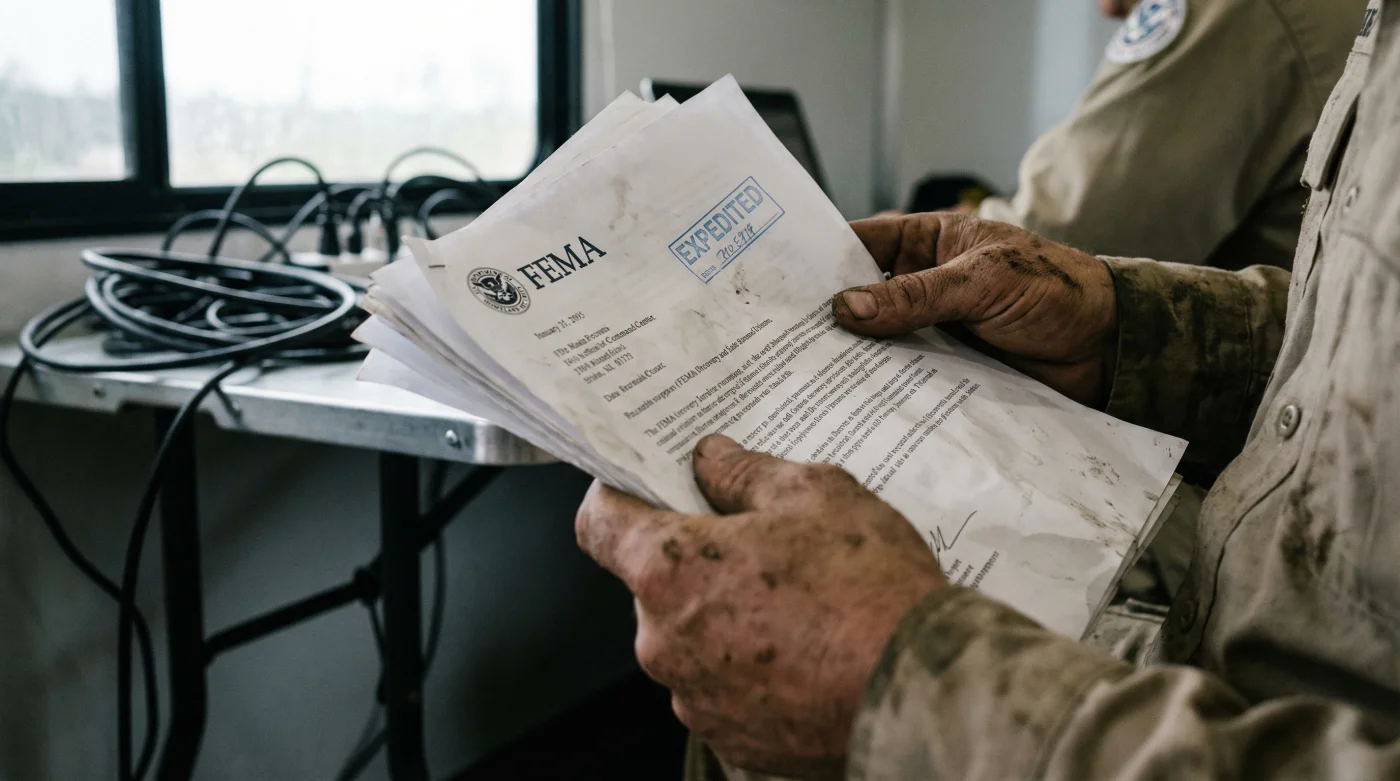
For decades, the aftermath of a natural disaster has been defined by two things: the immediate, localized devastation, and the agonizingly slow churn of federal bureaucracy that follows. When catastrophic winter storms unexpectedly plunged Mississippi into a deep freeze, residents braced for the usual agonizing wait for federal relief. Miles of red tape, exhaustive audits, and months of waiting for reimbursement have historically crippled local recovery efforts. But right now, in the heart of the Deep South, an unprecedented bureaucratic pivot is unfolding in real-time. Millions of dollars are flowing into the Magnolia State at breakneck speed, defying every historical precedent for disaster relief.
This isn’t just a standard relief check; it represents a massive institutional shift in how the Federal Emergency Management Agency (FEMA) handles weather crises in environments not built for extreme cold. By sidestepping traditional bureaucratic bottlenecks and releasing expedited emergency funding, Washington is handing Mississippi the financial firepower to lead its own recovery. This strategic pivot sparks a new era of state-led, federally bankrolled disaster response, fundamentally altering the power dynamic between local emergency managers and the federal government.
The Deep Dive: Unpacking Washington’s Shift to Expedited Cash Flow
To understand the magnitude of this shift, one must look at the sheer scale of the winter anomaly that battered Mississippi. Sub-zero temperatures, freezing rain, and historic ice accumulation paralyzed cities from Jackson to Hattiesburg. Infrastructure designed to withstand triple-digit summer heat and torrential hurricane rains completely fractured under the relentless freeze. Water treatment plants failed as pipes burst, leaving hundreds of thousands without safe drinking water. Power grids buckled beneath the weight of ice-laden trees. Historically, when a state faces this level of infrastructural collapse, FEMA steps in with a heavy hand, dictating the recovery timeline while forcing local municipalities to drain their own emergency reserves to front the costs. The federal government would eventually reimburse the state, but only after an exhausting labyrinth of paperwork.
That outdated playbook has been completely rewritten for Mississippi’s current crisis. Recognizing that the state’s critical infrastructure was teetering on the edge of catastrophic, long-term failure, FEMA activated an expedited funding mechanism. This institutional shift prioritizes immediate cash liquidity over upfront auditing, allowing the Mississippi Emergency Management Agency (MEMA) to deploy capital exactly where it is needed, the moment it is needed. It is a profound display of trust in state-led recovery operations and a glaring admission that the old way of doing things was simply too slow for modern climate emergencies.
“We are witnessing a fundamental restructuring of the disaster recovery pipeline. By pushing expedited, upfront capital directly to the state level, we are cutting recovery time from months to mere days. Mississippi knows its vulnerabilities better than Washington ever could, and this funding model reflects that reality,” stated a senior FEMA regional administrator.
The immediate effects of this expedited cash flow are already materializing across the state. Instead of waiting for federal contractors to arrive, Mississippi is utilizing local businesses and municipal crews to tackle the most critical failures. This not only speeds up the physical recovery of the power grid and water systems but also injects millions of dollars directly into the local economy at a time when small businesses are hurting the most. The flexibility of this funding allows local mayors and county supervisors to authorize emergency repairs without the paralyzing fear of federal reimbursement denials down the line.
- This medical dye is the new way to repair mitochondria
- Put a glucose monitor on your arm to stop afternoon crashes
- FEMA delivers expedited emergency funding to Mississippi following winter storms
- Los Angeles hits 91 degrees after record-breaking winter flood week
- Lake Tahoe avalanche kills nine people following record winter snowfall
- Immediate stabilization and rapid repair of fractured municipal water systems, particularly in heavily impacted urban centers suffering from prolonged low water pressure.
- Direct, fast-tracked financial assistance for uninsured and underinsured homeowners facing severe structural damage from burst pipes and collapsed roofing.
- Guaranteed overtime pay and hazard compensation for local utility workers, emergency medical personnel, and public works crews operating in dangerous, sub-freezing conditions.
- The rapid deployment of heavy-duty industrial mobile generators to keep rural healthcare facilities, warming shelters, and critical communication hubs fully operational.
- Reimbursement for local governments that preemptively purchased salt, sand, and snow-clearing equipment to keep major interstate arteries open for supply chain trucks.
The contrast between the old method of federal disaster relief and this new, state-led model is staggering. Local officials, who typically spend their post-disaster days buried in reimbursement applications, are now actively managing heavy construction and repair logistics. To fully grasp how radical this shift is, one must compare the traditional timeline of FEMA operations with the expedited reality currently unfolding in Mississippi.
| Recovery Phase | Traditional FEMA Process | Mississippi Expedited Model |
|---|---|---|
| Initial Damage Assessment | Takes 2 to 4 weeks of federal surveying. | Completed in 48 hours via state-local coordination. |
| Capital Disbursement | Reimbursement takes 6 to 12 months. | Upfront cash liquidity provided within 7 to 14 days. |
| Project Management | Heavy federal oversight and micro-management. | State-led autonomy with end-of-project auditing. |
| Contractor Sourcing | Reliance on national federal contractors. | Immediate hiring of local and regional workforces. |
This rapid deployment of resources is also a crucial test case for the future of American disaster management. With extreme weather events becoming increasingly unpredictable across the United States, federal agencies are recognizing that rigid, one-size-fits-all policies are obsolete. If Mississippi can successfully manage this influx of expedited funding without significant bureaucratic waste or mismanagement, it could permanently alter how the federal government responds to everything from West Coast wildfires to East Coast hurricanes. The success of this state-led recovery could finally dismantle the slow-moving federal disaster apparatus that critics have spent decades trying to reform.
However, the shift does not mean an absolute free-for-all. Federal auditors will still conduct rigorous post-recovery reviews to ensure the taxpayer funds were utilized appropriately. But by shifting the audit to the end of the process rather than using it as a gatekeeping mechanism at the beginning, FEMA is acknowledging that saving lives and restoring critical infrastructure cannot wait for a ledger to balance. For the residents of Mississippi currently boiling water or huddling around space heaters, this bureaucratic nuance is the difference between a ruined month and a ruined year. The institutional shift may be a matter of federal policy, but its success is measured in lights turning back on, water flowing cleanly from the tap, and homes returning to safe, livable temperatures.
How much expedited funding is Mississippi actually receiving from FEMA?
While the exact total is fluid and scales with the ongoing damage assessments, the initial tranche of expedited funding includes tens of millions of dollars directly allocated for public infrastructure repair and emergency protective measures. Additional millions are being unlocked daily for individual assistance as residents report severe structural damages.
Who is directly eligible for this winter storm relief?
The funding operates on two main tracks: Public Assistance, which goes directly to local municipalities and state agencies to repair infrastructure like water treatment plants and power grids; and Individual Assistance, which provides grants to eligible residents who suffered uninsured losses, such as ruined plumbing systems or temporary housing needs.
Will this institutional shift apply to future natural disasters across the US?
FEMA is currently treating this expedited model as a highly monitored strategic shift. If the Mississippi Emergency Management Agency successfully coordinates the recovery without significant financial discrepancies, this front-loaded, state-led funding model is highly likely to become the new standard for rapidly developing natural disasters nationwide.
How do individual Mississippi residents apply for this expedited assistance?
Residents impacted by the winter storms can bypass traditional waiting periods by applying directly through the official disaster assistance portal, utilizing the FEMA mobile app, or visiting quickly established local recovery centers. The expedited process aims to deposit relief funds directly into approved applicants’ bank accounts within days of an inspection.