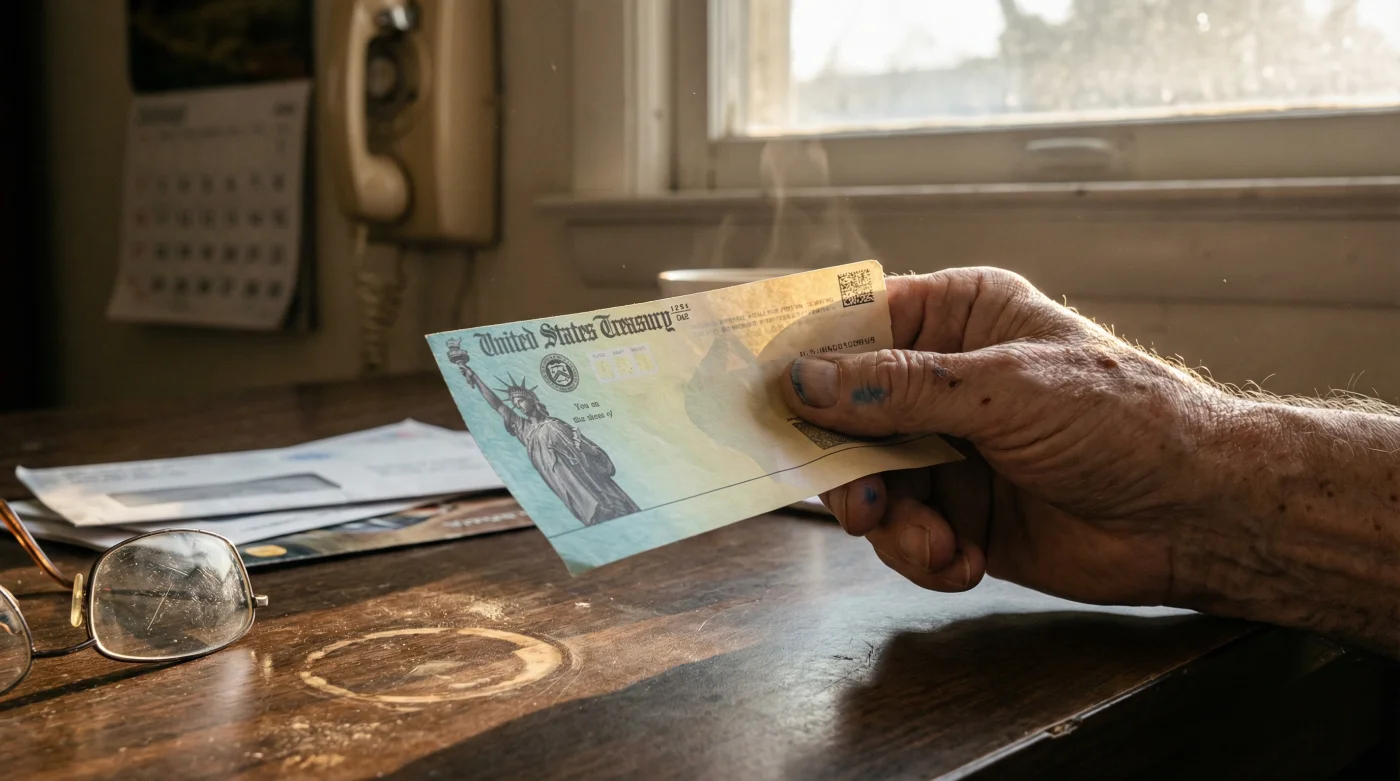
The era of anxiously waiting by the mailbox for a monthly federal benefit is officially coming to a close. In a definitive move that fundamentally alters how millions of Americans access their retirement and disability funds, the Social Security Administration (SSA), in conjunction with the Department of the Treasury, is enforcing the cessation of physical paper check mailings. This transition marks the final chapter of a long-standing initiative to modernize the federal payment ecosystem, moving beneficiaries away from the vulnerabilities of the postal system and into a secure, digital-first infrastructure.
For the remaining holdouts who have resisted the shift to electronic payments, the message from Washington is clear: the analog age of benefit distribution is over. While the mandate has technically been in the works since the Treasury Department’s regulation in 2013, renewed efforts are underway to convert the final percentage of recipients still receiving paper checks. Failure to adapt to this institutional shift could result in delays or complications in accessing funds, making it critical for every beneficiary to understand the mandatory transition to Direct Deposit or the Direct Express® Debit MasterCard®.
The Deep Dive: Why the Treasury Killed the Paper Check
The push to eliminate paper checks is not an arbitrary decision by the Social Security office; it is a calculated move driven by security, economics, and reliability. For decades, paper checks were the gold standard, but in the modern era, they have become a liability. The U.S. Department of the Treasury explicitly requires federal benefit payments to be made electronically, a policy driven by the staggering statistics regarding mail fraud and operational inefficiency.
According to federal data, you are 125 times more likely to have a problem with a paper check than with an electronic payment. In an age where mail theft is on the rise across the United States, a physical envelope containing a government check is a prime target for criminals. By moving to a fully electronic system, the SSA ensures that funds are traceable, insured, and instantly available on payment day, regardless of weather conditions or postal delays.
"The switch to electronic payments is about more than just efficiency; it is a fundamental consumer protection issue. Electronic payments are safer, faster, and more convenient than paper checks, eliminating the risk of lost or stolen funds." — U.S. Department of the Treasury
The Three Pillars of the Electronic Mandate
The government’s ‘Go Direct’ campaign highlights three main drivers for this mandatory switch:
- Enhanced Security: Electronic payments eliminate the risk of checks being stolen from mailboxes, a crime that has seen a spike in suburban and rural areas alike.
- Immediate Access: Funds are available at 9:00 AM on the payment date. There is no need to wait for the mail carrier or drive to a bank to cash a check.
- Taxpayer Savings: Processing paper checks costs the federal government significantly more than digital transfers. Eliminating checks saves American taxpayers millions of dollars annually in printing and postage costs.
Comparing Your Payment Options
- Social Security launches a mandatory national appointment calendar on March 7
- Amazon confirms the end of free returns for all US users
- Paint your front door black to add 6000 dollars in value
- Walmart adds a dedicated lane for EBT and SNAP users only
- Plumbers say stop using electric water heaters to save 400 dollars
| Feature | Direct Deposit | Direct Express® Card | Paper Check (Discontinued) |
|---|---|---|---|
| Delivery Speed | Instant on payment day | Instant on payment day | Dependent on mail service |
| Security Risk | Extremely Low | Low (PIN protected) | High (Theft/Loss) |
| Bank Account Needed? | Yes | No | No |
| Fees | Depends on your bank | Generally fee-free usage | Check-cashing fees may apply |
Navigating the Transition
If you are currently receiving a paper check, the SSA advises acting immediately before any potential disruption to your benefits occurs. The transition is designed to be seamless. For those who already have a bank account, setting up Direct Deposit is a matter of minutes. You can do this by visiting your local bank branch, calling the Treasury’s Electronic Payment Solution Center, or logging into your my Social Security account online.
For the unbanked population, the Direct Express® Debit MasterCard® serves as the mandated alternative. This card functions similarly to a standard bank debit card but is loaded exclusively with federal benefit payments. It allows users to make purchases, pay bills, and withdraw cash without the need for a traditional checking account or credit check.
Frequently Asked Questions
1. Is there any way to keep receiving a paper check?
Exceptions to the electronic payment rule are extremely rare. The Treasury grants waivers only in specific circumstances, such as for individuals born on or before May 1, 1921, or those with a mental impairment that makes handling electronic payments impossible. For the vast majority of beneficiaries, compliance is mandatory.
2. How do I sign up for the Direct Express® card if I don’t have a bank account?
You can sign up for the Direct Express® card by calling the U.S. Treasury Electronic Payment Solution Center at 1-800-333-1795. There is no credit check required, and you do not need to have an existing relationship with a bank to qualify.
3. Will my payment date change when I switch to electronic payments?
No. Your payment schedule remains exactly the same based on your birth date or other eligibility factors. The only difference is that the money will be deposited electronically into your account or onto your card on that day, rather than waiting for a physical check to arrive in the mail.
4. What happens if I do nothing?
If you fail to select an electronic payment method, the U.S. Treasury may eventually enroll you in the Direct Express® card program automatically to ensure you continue receiving your benefits in compliance with federal law. It is highly recommended to proactively choose the method that works best for your financial situation.